
Solar Mounting System Calculator
Estimate solar panel mounting angle, wind and snow load risk, and suitable aluminum PV racking systems for rooftop, ground mount, carport, balcony, and agrivoltaic solar projects.
Calculate Solar Panel Mounting Angle and PV Racking Type
Enter your project details to estimate solar panel mounting angle, wind load risk, snow load risk, and a suitable PV mounting system direction for quotation and engineering review.
Preliminary Calculation Result
Use this result to start a faster quotation and engineering discussion with Easy Solar.
Recommended Tilt Angle
This range balances generation, wind resistance, and mounting stability.
Wind Load Risk
Reinforced rails or closer fixing spacing may be recommended.
Snow Load Risk
Standard aluminum rail design may be suitable.
Recommended Easy Solar Mounting System
Suitable for rooftop projects requiring aluminum rails, clamps, roof attachments, and fasteners.
- Recommended material: AL6005-T5 aluminum alloy
- Recommended fasteners: SUS304 stainless steel
- OEM / ODM configuration available
Send This Result to Easy Solar
Share your project details with us. Our engineering and sales team can help review the mounting system, optimize the structure, and provide a factory-direct quote.
How This Solar Mounting Calculator Works
This tool is not only a solar panel mounting angle calculator. It also connects project conditions with wind risk, snow risk, aluminum PV racking type, and Easy Solar product selection.
Project Location & Latitude
Used to estimate a practical solar panel mounting angle range for early layout and product selection.
Roof or Ground Surface
Determines whether the project needs roof mounting, ground mounting, carport, balcony, or agrivoltaic PV racking.
Wind & Snow Risk Level
Flags projects that may require reinforced rails, closer fixing spacing, or engineering review.
Module Layout
Panel quantity, orientation, and module size help prepare better quotation and structural configuration.
Material Direction
Supports AL6005-T5 aluminum, SUS304 stainless steel fasteners, anodized surfaces, and export-ready PV racking supply.
Quotation Readiness
Helps EPCs, installers, distributors, and developers send clearer project information to Easy Solar.
Recommended PV Mounting Systems for Your Project
Based on project conditions, the calculator guides visitors to suitable roof, ground, carport, or agrivoltaic PV mounting system categories.
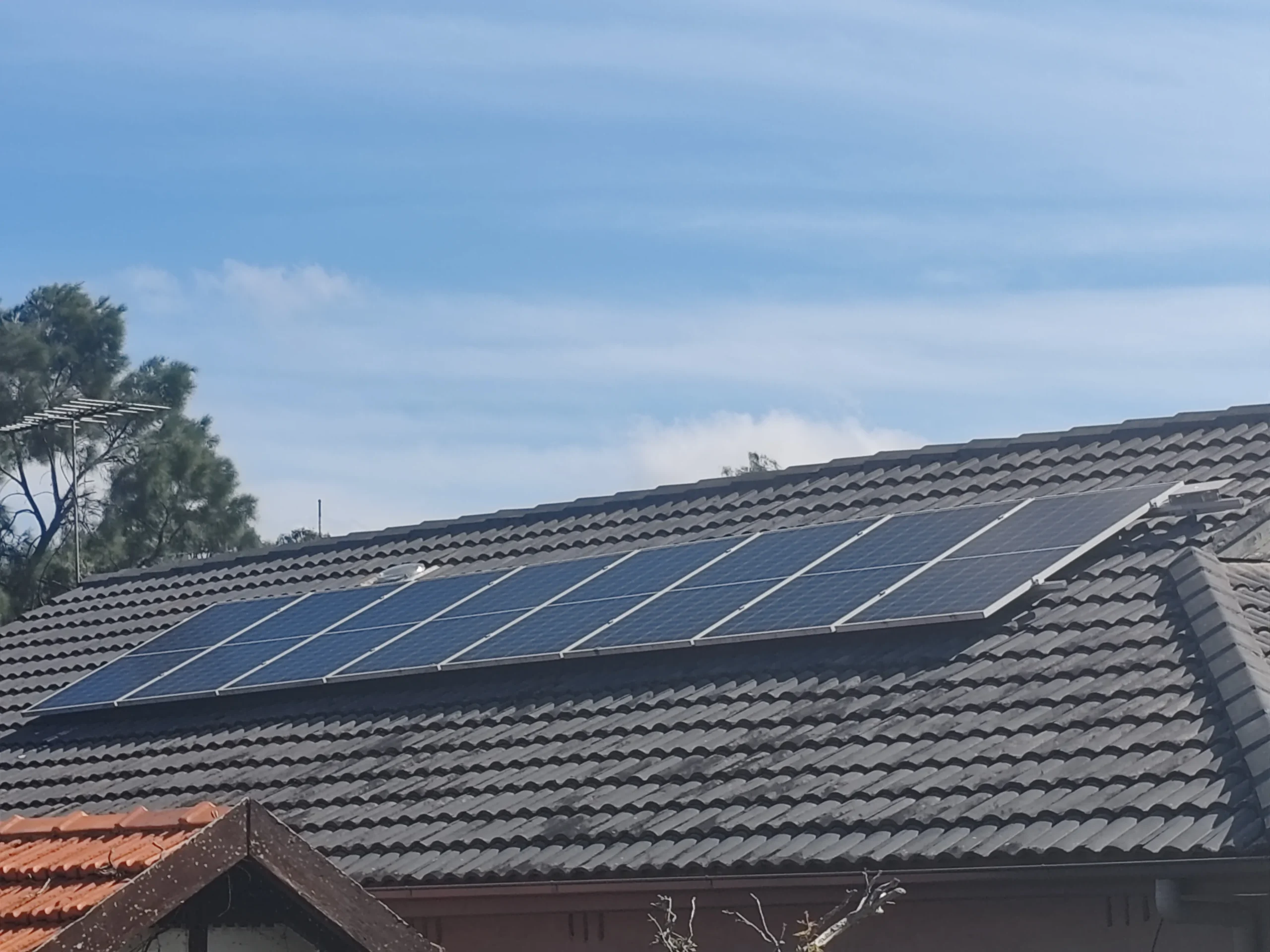
Roof Solar Mounting Systems
For metal roofs, tile roofs, flat roofs, pitched roofs, corrugated roofs, and standing seam roofs.
View roof systems >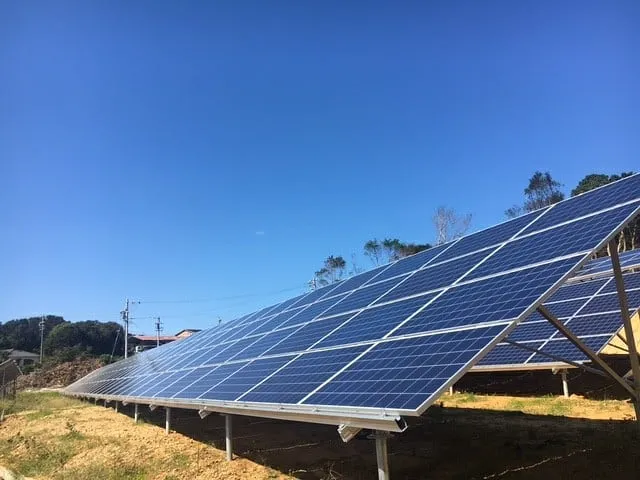
Ground Solar Mounting Systems
For utility-scale solar farms, open-field PV projects, ground screws, pile foundations, or concrete bases.
View ground systems >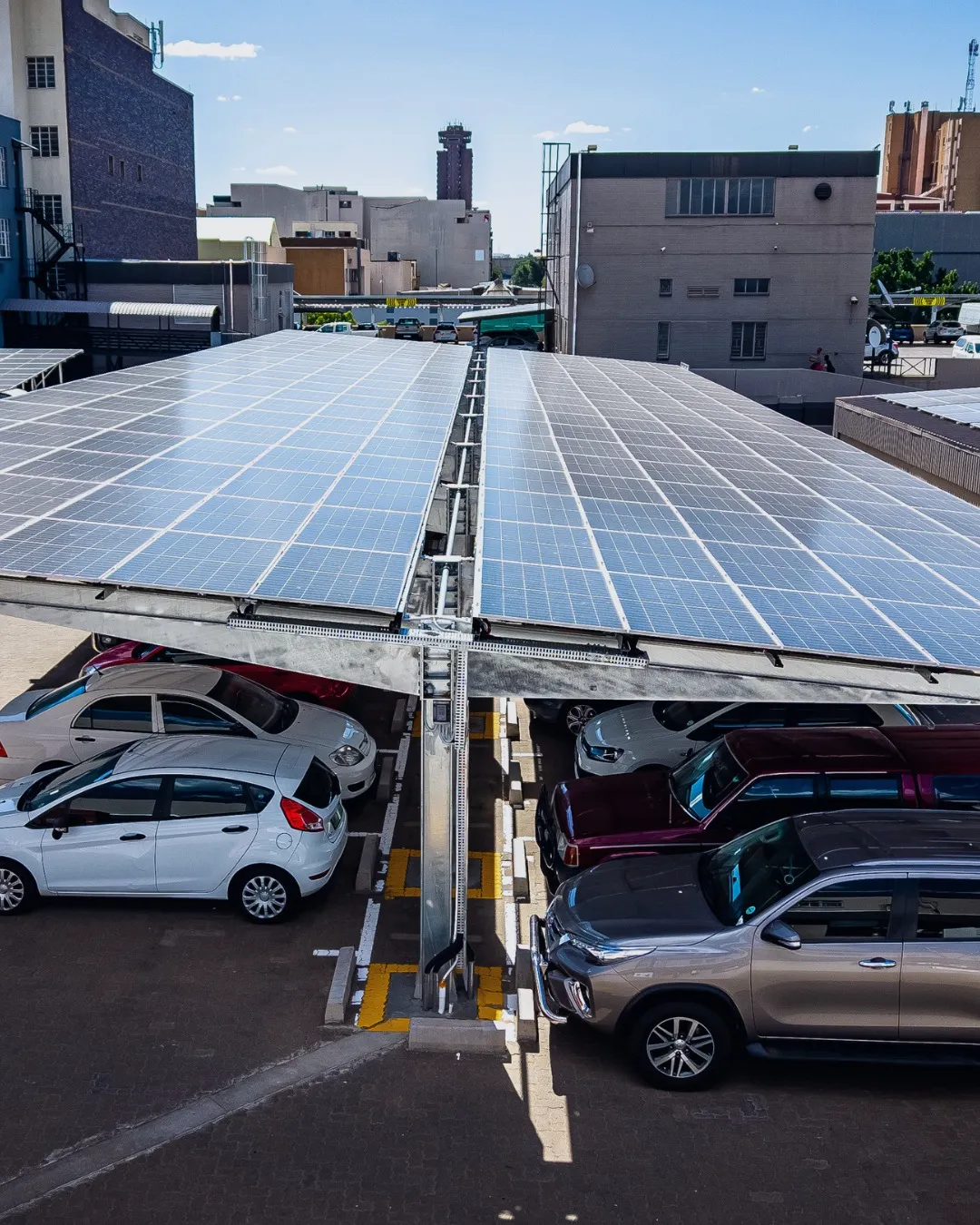
Solar Carport Mounting System
For parking lots, EV charging stations, commercial carports, waterproof BIPV carport structures, and custom designs.
View carport systems >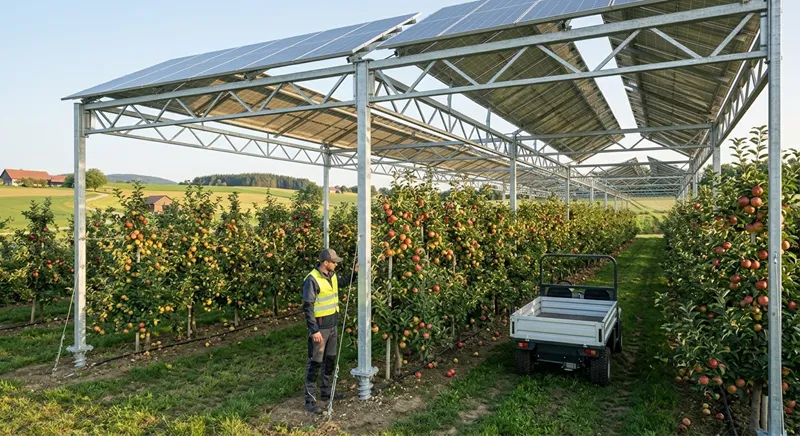
Agrivoltaic PV Mounting System
For agricultural solar projects requiring elevated structures, land-use compatibility, and custom engineering.
View agrivoltaic systems >Solar Mounting System Design Guide
This guide supports the calculator with practical information about mounting angle, wind load, snow load, and aluminum PV racking system selection.
Why Mounting Angle Matters for PV Racking Design
A practical solar panel mounting angle depends on latitude, roof direction, module layout, wind exposure, and installation type. For many projects, the angle is adjusted from the theoretical optimum to improve structural stability and installation efficiency.
Rooftop projects often use lower tilt angles to reduce wind uplift, while ground mount projects may have more freedom to optimize annual energy yield.
Why Wind Load Matters for PV Mounting Structures
Wind uplift can affect solar panels, rails, clamps, roof attachments, and foundation systems. Coastal areas, open fields, high-rise buildings, and high-wind regions may require reinforced components and project-specific engineering review.
Why Snow Load Matters for Solar Racking
Snow accumulation increases vertical load on modules and mounting structures. In heavy snow regions, stronger rails, optimized support spacing, and suitable tilt angle can help improve safety and snow shedding performance.
Why Aluminum Solar Mounting Systems Are Widely Used
Aluminum solar mounting systems offer a strong balance of weight, corrosion resistance, installation efficiency, and outdoor durability. For many rooftop and distributed PV projects, AL6005-T5 aluminum alloy with SUS304 stainless steel fasteners is a practical material combination.
Frequently Asked Questions About Solar Mounting Systems
Useful answers for visitors comparing solar mounting systems, panel mounting angle, wind load, snow load, and PV racking options.
Does this calculator include a solar panel mounting angle calculator?
Yes. This tool includes a solar panel mounting angle calculator, but it also goes further by recommending PV mounting system type, wind load risk, snow load risk, and suitable aluminum solar racking products based on your project conditions.
Is this solar mounting calculator free to use?
Yes. It provides a free preliminary recommendation for tilt angle, mounting system type, wind/snow risk level, and product direction.
Can this calculator replace structural engineering design?
No. The result is for preliminary reference only. Final solar mounting design should be verified according to local codes, project drawings, roof/site conditions, wind load, snow load, and professional engineering requirements.
What information should I provide for a quotation?
Please provide your project country, installation surface, roof/site photos, module size, module layout, project capacity, wind load, snow load, and any available CAD drawings.
Can Easy Solar customize mounting systems for wind and snow loads?
Yes. Easy Solar can configure rooftop, ground mount, carport, balcony, and agrivoltaic PV mounting systems according to project-specific wind load, snow load, module size, and installation environment.
Which Easy Solar products can this calculator recommend?
It can recommend roof solar mounting systems, ground solar mounting systems, solar carport mounting systems, balcony mounting systems, agrivoltaic PV mounting systems, and accessories depending on the inputs.
Ready to Optimize Your Solar Project?
Send us your project details or CAD drawings. Easy Solar can help you select a suitable mounting system and prepare a factory-direct quote for rooftop, ground, carport, balcony, or agrivoltaic PV projects.