
Agrivoltaic PV Mounting System
Agrivoltaic projects combine PV generation with continued agricultural use. The mounting structure should be selected around the way the land is actually farmed—crops, orchards, grazing or greenhouse production— together with access, light, water, structural and site requirements.
- Crop Fields
- Orchards
- Livestock & Pasture
- Greenhouses

Choose the Structure Around the Farming Activity
Each application has a different operating envelope. Start with the agricultural use, then develop the PV geometry and structure around it.
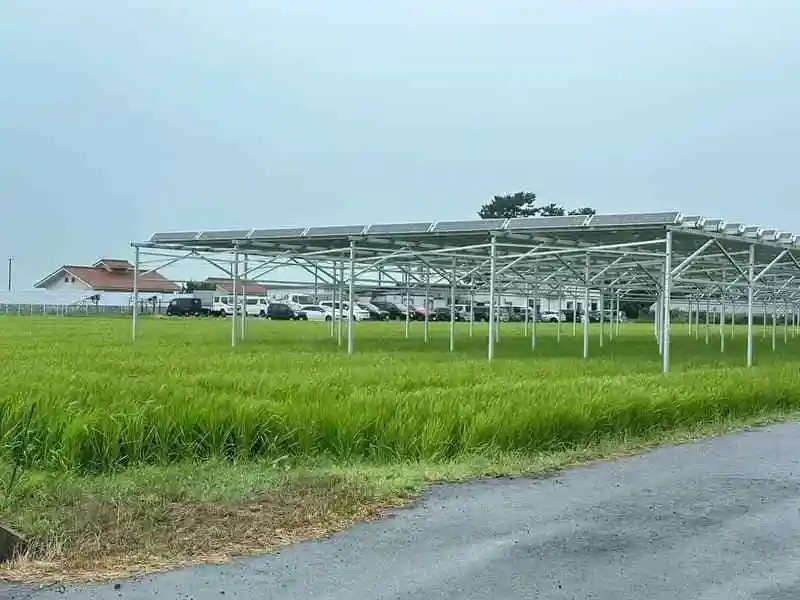
Crop Field Agri-PV Mounting
For arable and field-crop projects where machinery clearance, workable rows, irrigation and crop-light conditions shape the array.
Explore Crop Field Mounting →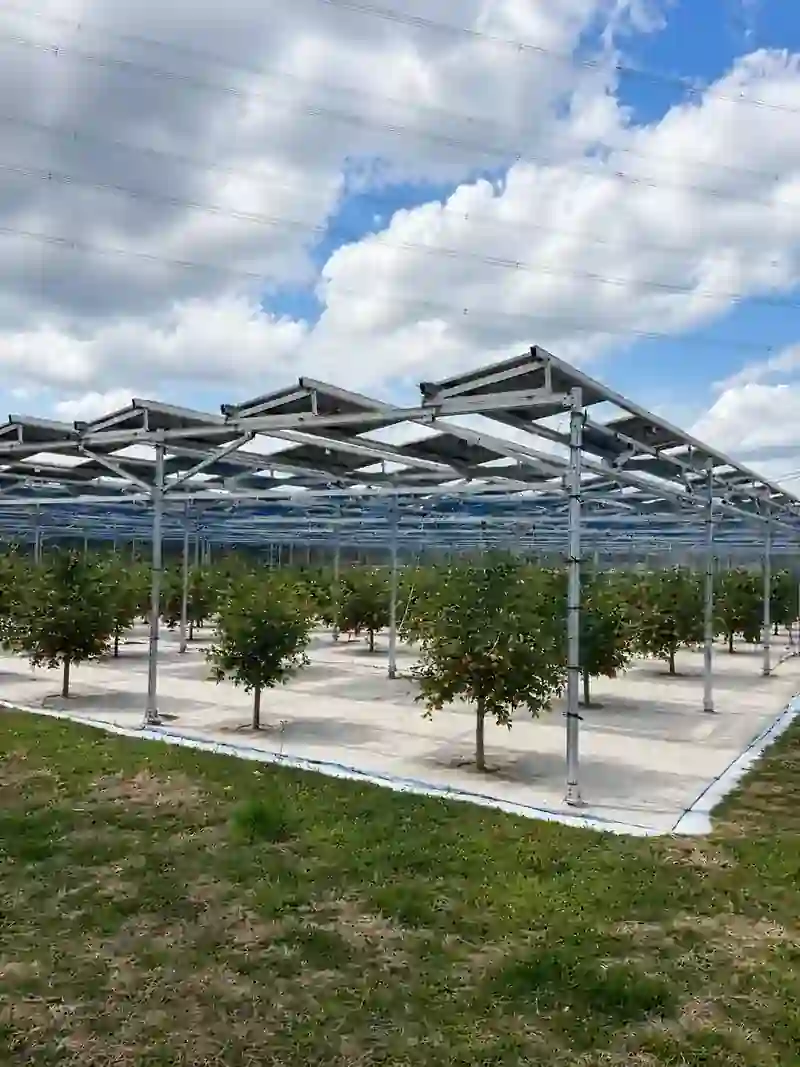
Orchard Agrivoltaic Structure
For permanent tree crops where mature canopy size, pruning, spraying, harvest access and light management influence the structure.
Explore Orchard Structures →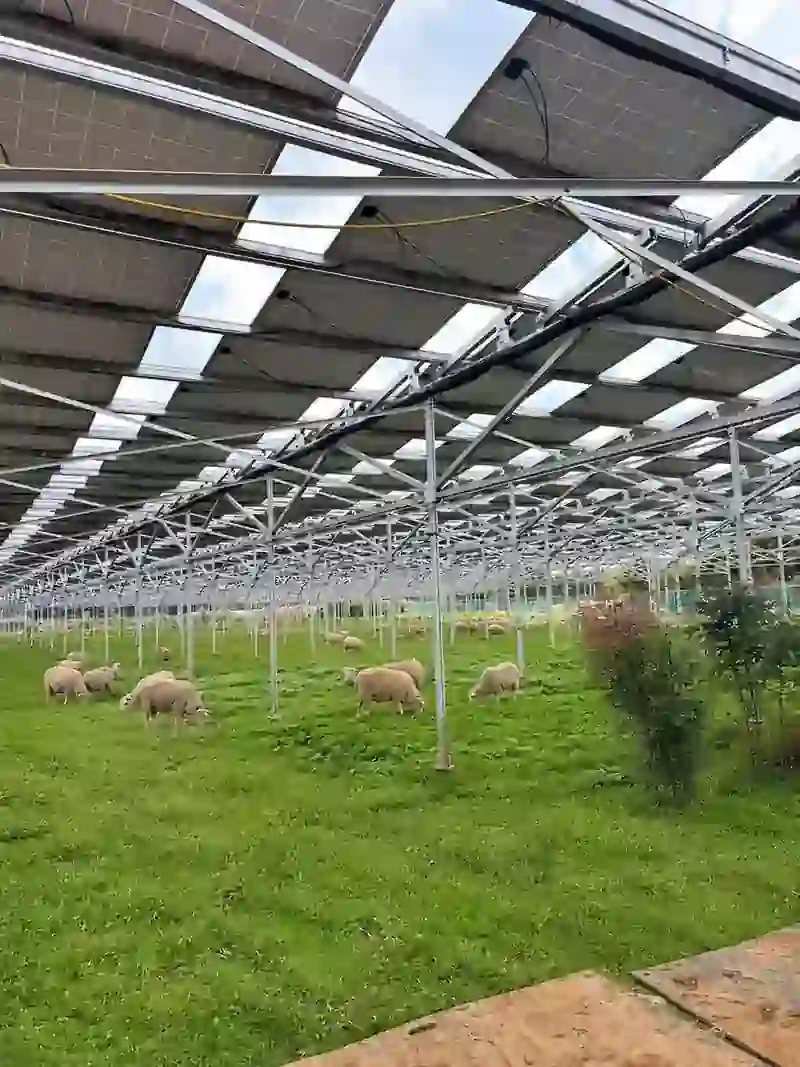
Livestock & Pasture Solar Mounting
For grazing projects where animal size and behavior, lowest panel clearance, protected wiring, fencing, water and service access matter.
Explore Pasture Solar →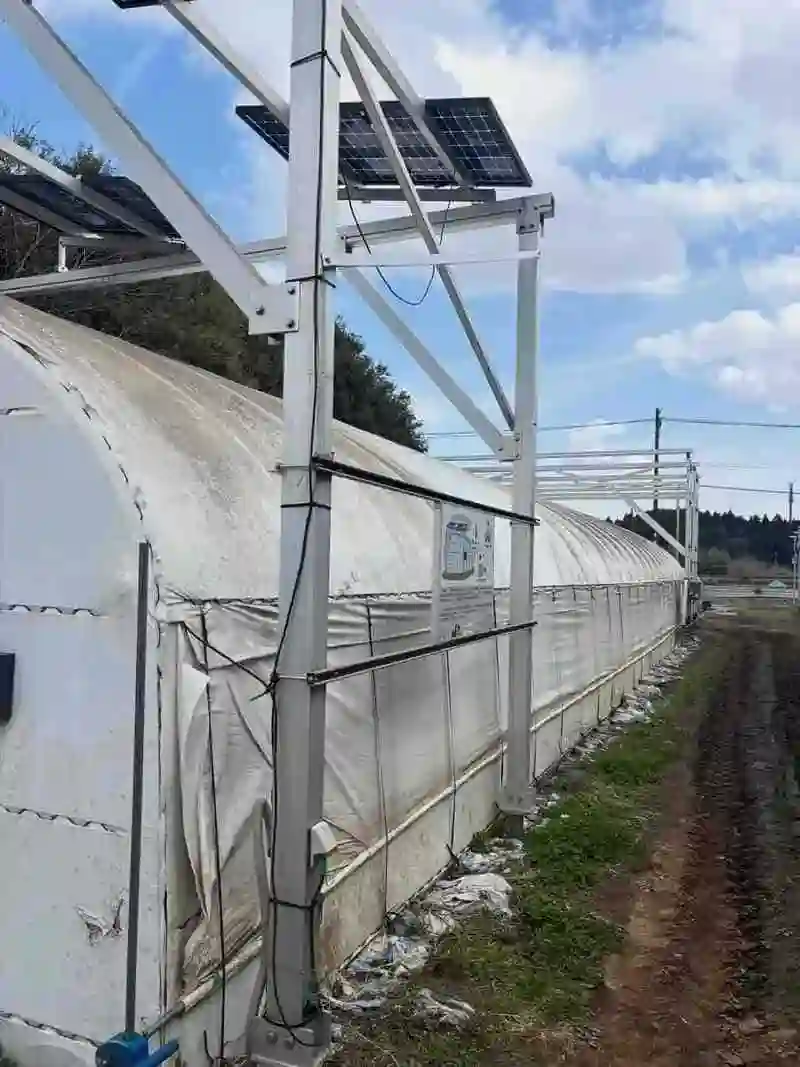
Greenhouse & Farm Facility PV
For greenhouse projects where the frame, roof or cladding, crop light, ventilation, drainage and maintenance access must be coordinated with PV.
Explore Greenhouse PV →Keep the Agricultural Workflow Usable
The useful space under and around the array is part of the design. Machinery, animals, tree canopies, irrigation, greenhouse services and maintenance routes can all set limits on column positions, module height, row pitch and the areas that must remain clear.
- Use real machinery, canopy or livestock dimensions instead of a generic clearance value.
- Keep roads, headlands, gates, irrigation and maintenance routes available.
- For trackers, check the full moving module envelope—not only the support-post height.
- For greenhouse projects, keep vents, gutters, screens and climate-control functions operable.
Light and shade are part of the project brief
Module coverage, orientation, transparency and movement can change irradiance and microclimate. The mounting system should provide the required geometry, while crop or livestock outcomes remain dependent on project-specific agricultural analysis.
Design the Load Path Around the Agricultural Layout
Higher clearances, wider spans and special operating geometry can change member forces, foundations and construction access.
PV Structure
Fixed or tracking geometry, module support, columns, beams, braces and connections should follow the selected agricultural operating envelope.
Foundation & Ground
Foundation selection should follow the chosen structure, geotechnical conditions, structural reactions, irrigation, drainage and farming access.
Existing Structures
For greenhouses and farm facilities, verify the actual frame or roof support, attachment path and weathering detail instead of applying open-field assumptions.
What to Prepare Before Structural Review
| Agricultural use | Crop, orchard, grazing or greenhouse operation; seasonal/long-term workflow; roads, headlands, gates, irrigation and other working areas. |
|---|---|
| Operating envelope | Machinery and implements, mature canopy geometry, livestock size/behavior, or greenhouse frame and service clearances. |
| PV system | Module model and dimensions, fixed or tracking architecture, preliminary coverage/layout and any required operating positions. |
| Agricultural criteria | Available crop-light, shade, transparency, microclimate or animal-management requirements relevant to the project. |
| Site conditions | Topography, geotechnical information, groundwater/flood exposure, corrosion environment, drainage and construction access. |
| Structural basis | Project location, governing standards and applicable wind, snow, seismic and other required design actions. |
Plan the PV Structure Around the Farm
Share the agricultural layout, operating clearances, module information and site conditions. The structural concept can then be developed around the way the land needs to remain productive.
- Farm or facility layout
- Machinery, canopy or livestock dimensions
- PV module and architecture information
- Light / shade criteria if available
- Site and geotechnical information
- Structural design criteria
Agrivoltaic Mounting Questions
Is an agrivoltaic system simply a taller ground mount?
No. Increased clearance may be part of some projects, but agricultural operation, light distribution, access, fixed/tracking geometry, foundations and—where relevant—greenhouse interfaces also affect the system.
Can one standard row spacing or panel height be used for all projects?
No. These dimensions depend on the agricultural operating envelope, PV architecture, site layout, light strategy and structural requirements.
What information is most useful for an initial review?
Provide the agricultural layout, machinery/canopy/livestock constraints, module data, PV architecture, site information and the project's structural and agricultural performance requirements.