
Liya

Sales Manager at Easy Solar Solar Mounting Systems. With over 1o years of experience in the solar industry, I specialize in providing reliable andcost-effective mounting solutions for distributors, installers, and EPC companies. Experienced in intemational sales and commited to building long-term partnerships worldwide.

Types of Solar Mounting Systems

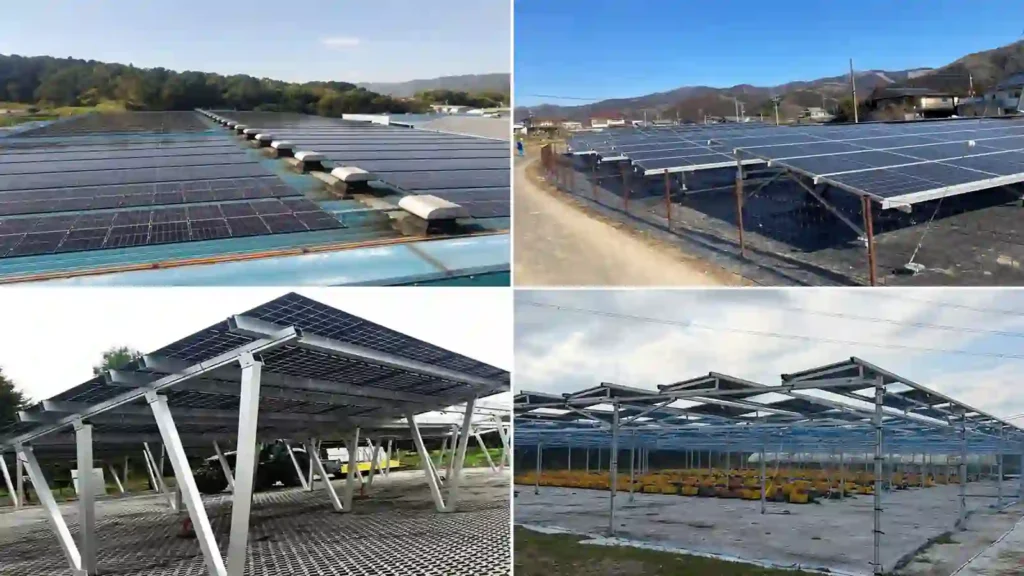
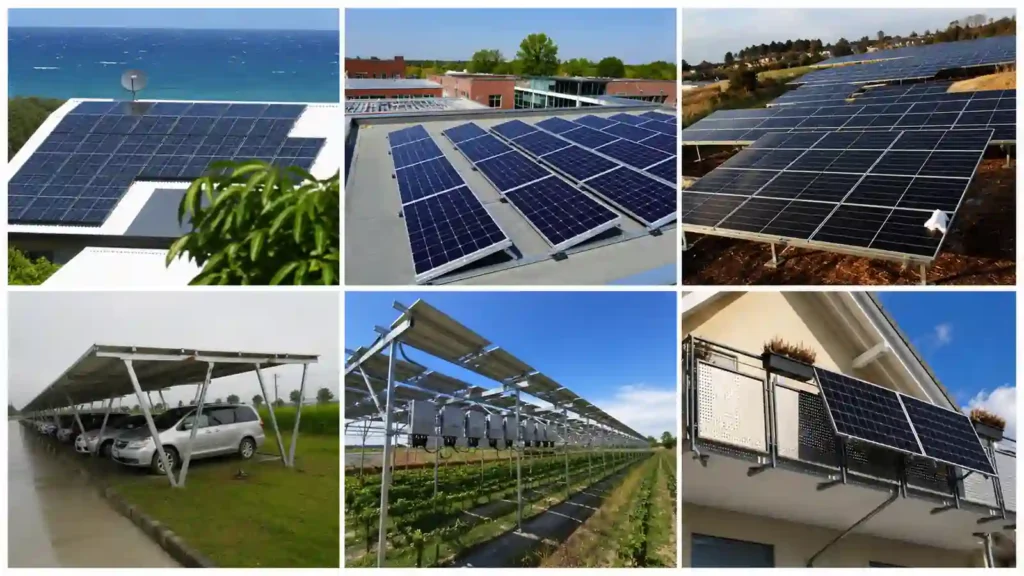
Types of Solar Mounting Systems: A Practical Selection Guide Choosing a solar mounting system is not simply a matter of deciding whether the panels will be installed on a roof or on the ground. The installation surface is only the first decision. Module dimensions, roof structure, soil conditions, wind and snow requirements, tilt angle, available

Types of Solar Mounting Systems Read More »
Solar Panel Roof Mounting Systems

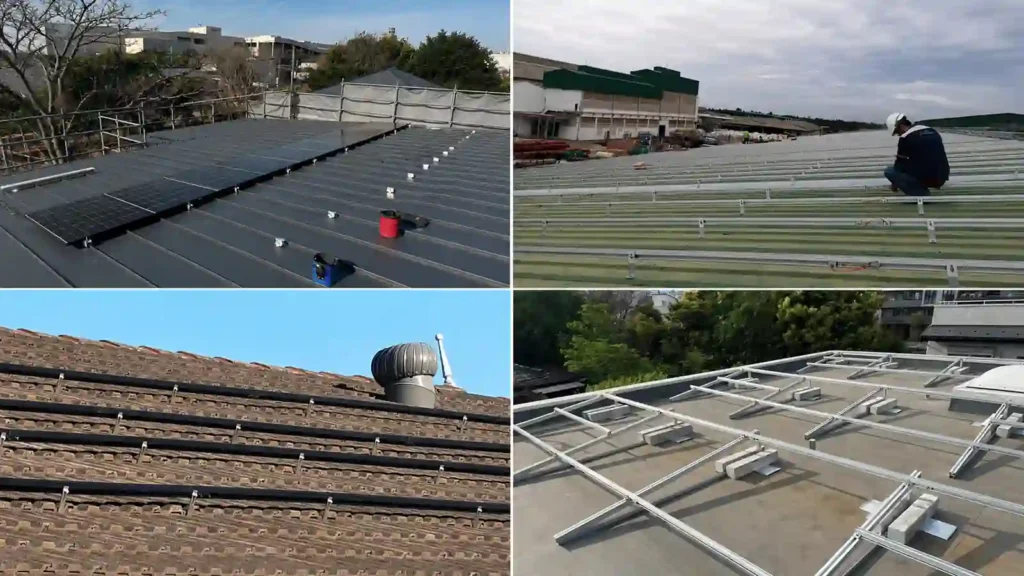
Solar Panel Roof Mounting Systems: Types, Components & Selection Guide A solar panel roof mounting system is the structural connection between a PV array and a building roof. The right system must match the roof material, supporting structure, module layout, wind and snow conditions, waterproofing requirements, and installation method—not simply the panel size. If you

Solar Panel Roof Mounting Systems Read More »

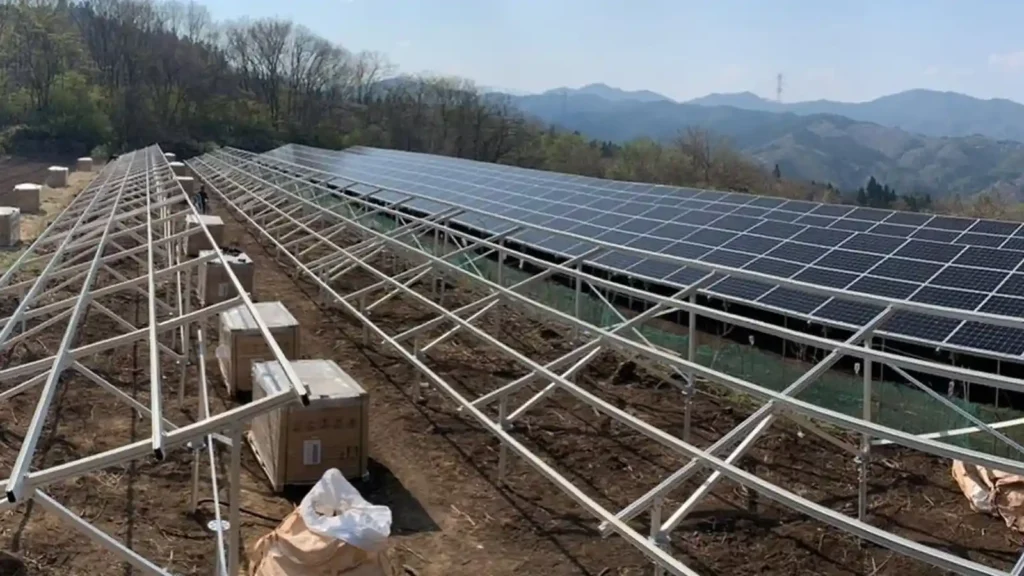
Ground Mount Solar Racking

Ground Mount Solar Racking: Foundations, Site Design & Installation Guide Ground mount solar racking should be selected from the site downward—not from a generic product drawing. The soil and terrain help determine the foundation; the module layout and environmental loads help determine the frame; and the installation method must match the equipment, access and construction

Ground Mount Solar Racking Read More »

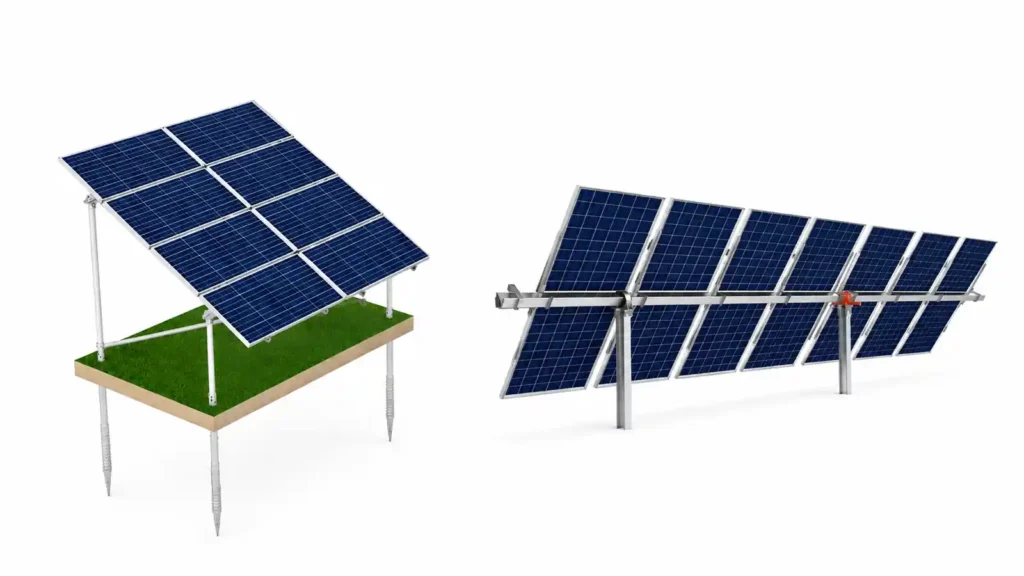
Fixed Tilt vs Single-Axis Solar Tracker: How to Choose for a Ground-Mount PV Project? Choosing between fixed tilt and a single-axis solar tracker is not simply a question of which system produces more energy. Tracking can increase solar generation by changing module orientation during the day. Fixed tilt avoids the drives, moving mechanisms, and tracker

Read More »

Ballasted vs Mechanically Attached Solar Mounting for Flat Roofs

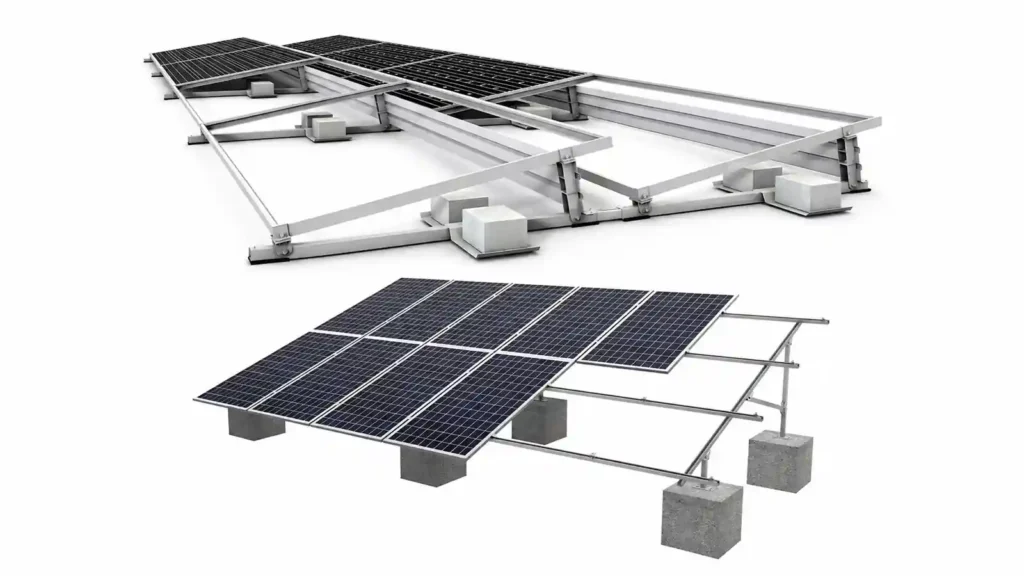
Ballasted vs Mechanically Attached Solar Mounting for Flat Roofs Choosing a flat roof solar mount usually comes down to three structural approaches: ballasted, mechanically attached, or hybrid. A ballasted system uses weight to help resist movement and wind uplift while reducing or avoiding roof penetrations in suitable designs. A mechanically attached system connects the PV

Ballasted vs Mechanically Attached Solar Mounting for Flat Roofs Read More »

How to Mount Solar Panels on a Metal Roof

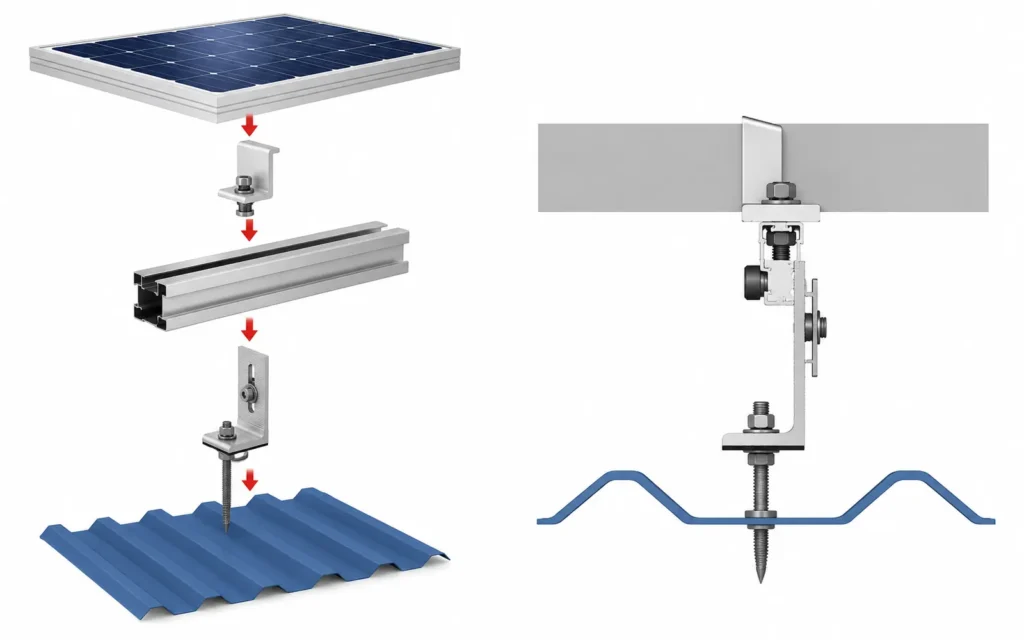
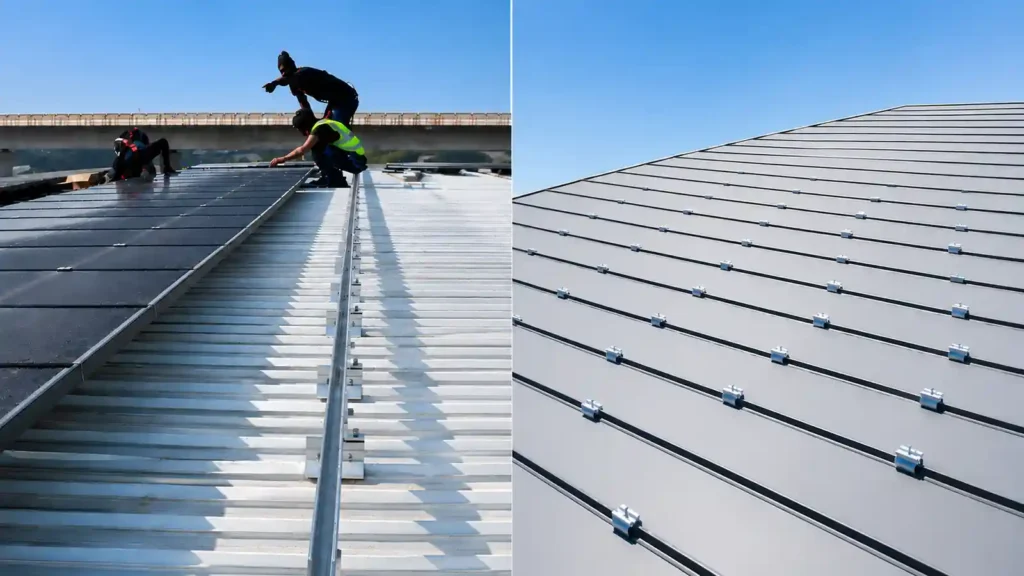
How to Mount Solar Panels on a Metal Roof Mounting solar panels on a metal roof starts with one decision that affects almost everything that follows: identify the roof profile before selecting the attachment hardware. Standing seam, trapezoidal, corrugated, and other exposed-fastened metal roofs can all support PV systems, but they do not use the

How to Mount Solar Panels on a Metal Roof Read More »

Rail-Based vs Railless Solar Mounting Systems

Rail-Based vs Railless Solar Mounting Systems Rail-based and railless solar mounting systems solve the same basic problem in different ways: they connect PV modules to the roof or supporting structure while keeping the modules aligned, restrained, bonded, accessible, and structurally supported. A rail-based system uses continuous rails as the main module-support and alignment interface. Roof

Rail-Based vs Railless Solar Mounting Systems Read More »
How Wind Load Affects Solar Panel Mounting Systems

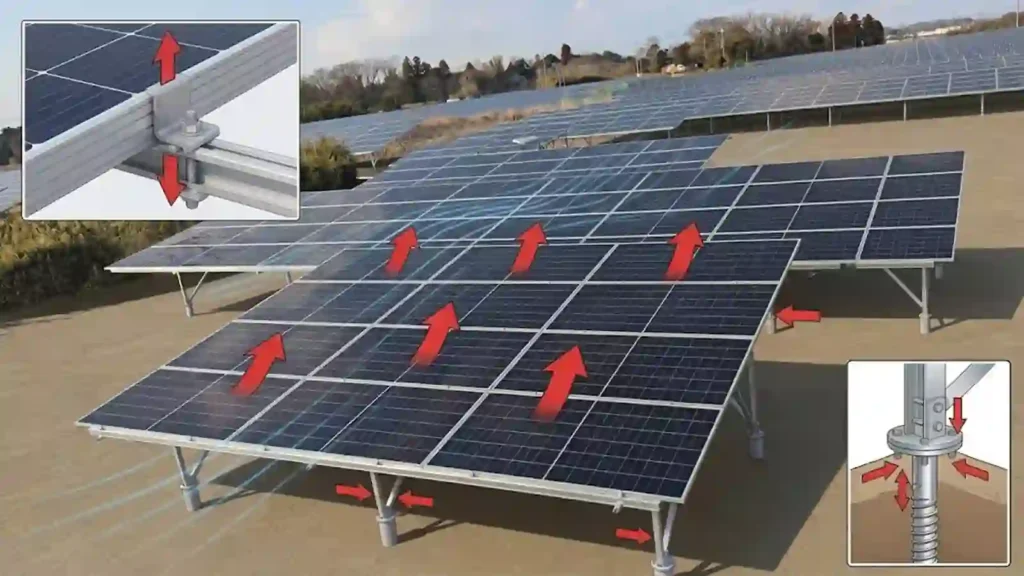
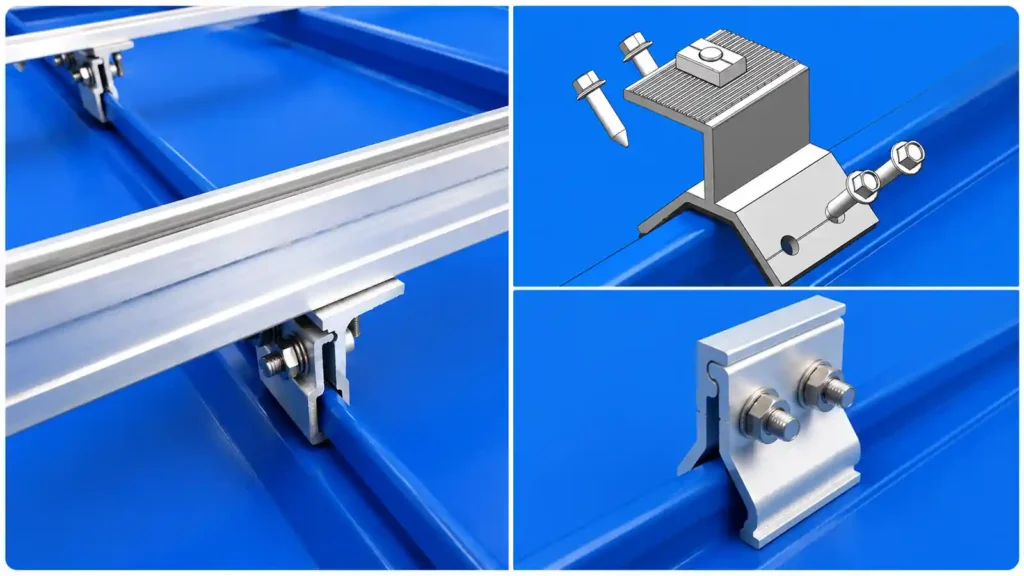
How Wind Load Affects Solar Panel Mounting Systems Wind load can change almost every structural decision in a solar mounting system. It can change the number and spacing of roof attachments, the size and span of rails, the demand on module clamps and fasteners, the amount and distribution of ballast, the need for bracing, the

How Wind Load Affects Solar Panel Mounting Systems Read More »

Scroll to Top